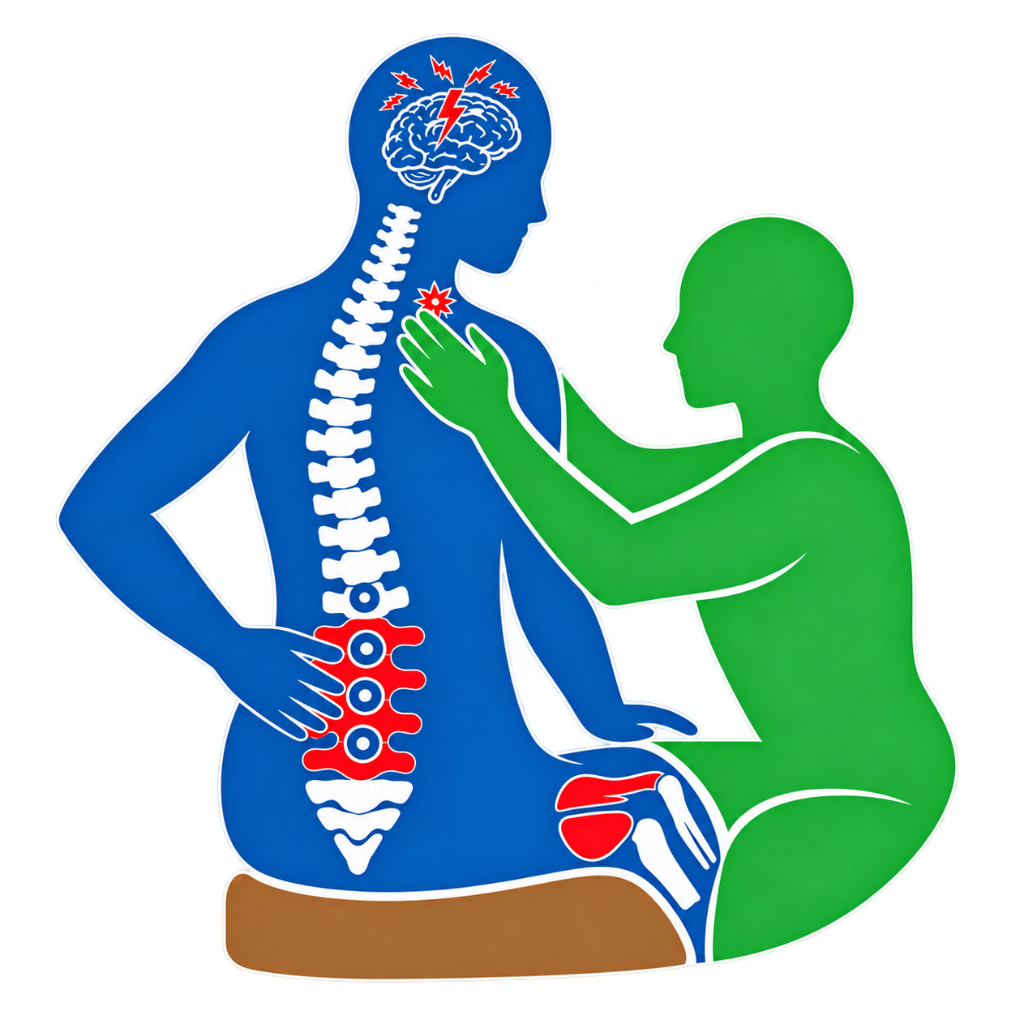
Understanding Back Pain and Effective Physiotherapy Care: Back pain can make even simple daily activities difficult. Sitting at a desk, getting out of bed, bending to pick something up, or walking for a long time may become uncomfortable when your back is not functioning properly. Many people experience back discomfort because of their working habits, physical activities, posture, or changes in spinal health.
Finding suitable back pain treatment Pappanaickenpalayam coimbatore is important for improving movement and maintaining an active lifestyle. Physiotherapy offers a structured approach to managing back discomfort by focusing on muscle function, spinal mobility, flexibility, and physical strength.
Why Does Back Pain Develop?
The back contains muscles, joints, discs, ligaments, and nerves that work together to support body movement. When one or more of these structures become irritated or overloaded, pain may develop.
Some common contributing factors include:
1. Remaining in the Same Position for Long Periods
Working at a computer, driving, or using a mobile phone for extended periods can reduce movement throughout the day. Remaining in one position for too long may contribute to muscle stiffness and back discomfort.
2. Weakness in Supporting Muscles
The abdominal, hip, and back muscles help maintain spinal stability. When these muscles lack strength or endurance, everyday movements may place additional demands on other structures.
3. Incorrect Lifting Techniques
Picking up heavy objects without appropriate body positioning can increase stress on the lower back. Repeated lifting activities may also contribute to discomfort.
4. Sudden Physical Strain
Returning to exercise after a long break, performing unfamiliar activities, or making sudden movements can sometimes cause back muscle strain.
5. Spinal and Disc Conditions
Certain conditions, including disc-related problems and age-associated changes in the spine, may contribute to persistent back pain. Some conditions can also affect nearby nerves.
Signs That Your Back Needs Attention
Back pain does not feel the same for everyone. Some people experience mild stiffness, while others find it difficult to perform normal movements. Look out for these common signs:
- Discomfort after sitting for extended periods.
- Tightness around the waist and lower back.
- Difficulty bending forward or turning the body.
- Pain when changing from sitting to standing.
- Reduced confidence while lifting or carrying objects.
- Discomfort extending towards the hip or leg.
Persistent pain, progressive weakness, or numbness should be assessed by a healthcare professional. New bladder or bowel control problems or numbness around the groin require emergency medical attention.

How Physiotherapy Supports Back Pain Treatment Coimbatore, Pappanaickenpalayam
Physiotherapy for back pain is not simply about temporarily reducing discomfort. It aims to improve how the body moves and responds to everyday physical demands. A physiotherapist evaluates movement, strength, flexibility, medical history, and individual symptoms before recommending suitable treatment.
1. Individual Exercise Programmes
Exercises are selected according to the patient's physical condition. They may focus on improving core strength, building muscle endurance, and supporting comfortable spinal movement.
2. Improving Hip and Spinal Mobility
Restricted movement around the hips and spine can make certain activities uncomfortable. Guided exercises can help improve flexibility and support better body movement.
3. Muscle Strengthening
Strengthening the muscles around the abdomen, hips, and back can improve the body's ability to handle everyday activities.
4. Movement and Posture Training
A physiotherapist can help identify movement habits that contribute to discomfort. Practical guidance on sitting, lifting, bending, and working positions can make daily activities easier.
5. Gradual Return to Daily Activities
Avoiding all movement for extended periods is not usually helpful for common back pain. A suitable rehabilitation programme encourages a gradual return to normal activities within the patient's tolerance.
Exercises That May Support Lower Back Health
Regular movement helps maintain proper back function. Depending on the patient's condition, a physiotherapist may introduce exercises such as:
Pelvic Tilts
Gentle movements that help develop awareness and control of the lower back.
Cat-Cow Movement
A controlled spinal mobility exercise that encourages comfortable movement through the back.
Bridge Exercise
Helps activate the gluteal muscles and supporting muscles around the hips.
Core Activation
Exercises that develop abdominal muscle control and trunk stability.
Gentle Walking
A simple physical activity that supports general mobility and helps reduce prolonged inactivity.
Not every exercise is suitable for every type of back pain. A physiotherapist should guide exercise selection, particularly when symptoms spread into the legs or become worse during movement.
Daily Habits for Better Back Health
Small changes in daily routines can make a meaningful difference to back health:
- Change your sitting position regularly instead of remaining still for hours.
- Keep frequently used objects within easy reach.
- Use a comfortable workstation that allows natural movement.
- Build physical activity gradually into your routine.
- Practise safe lifting techniques.
- Include suitable strength and mobility exercises.
- Take repeated discomfort seriously and address it early.
Consistency is more useful than attempting intense exercise occasionally.
When to Consult a Physiotherapist for Back Pain
Consider a professional assessment when back discomfort does not improve, keeps returning, or interferes with work, sleep, or everyday movement.
A physiotherapist can assess your condition, identify movement limitations, and recommend an appropriate rehabilitation programme. If symptoms suggest an underlying medical problem, further medical evaluation may also be necessary. Getting the right guidance can help you understand your condition and make informed decisions about recovery.
Conclusion
A healthy back depends on more than avoiding heavy activities. Muscle strength, movement habits, flexibility, and overall physical activity all contribute to spinal health.
Choosing appropriate back pain treatment Pappanaickenpalayam, coimbatore through physiotherapy can help improve movement, develop stronger supporting muscles, and make everyday activities more manageable. Rather than allowing recurring discomfort to become part of your routine, consider getting a professional assessment and following a treatment programme suited to your needs.

Frequently Asked Questions About Back Pain
01
What is the main reason for lower back pain?
Lower back pain can develop due to muscle strain, prolonged sitting, reduced physical activity, poor movement habits, or spinal conditions. The exact cause varies between individuals.
02
Can physiotherapy help with recurring back pain?
Yes. Physiotherapy may help manage recurring back pain through personalised exercises, strength development, mobility training, and guidance on everyday movements.
03
Is lower back pain common among office workers?
Yes. Office workers may experience back discomfort due to prolonged sitting, limited movement, and unsuitable workstation arrangements.
04
How does core strength affect back health?
Core muscles help support the trunk during everyday movements. Developing appropriate core strength and endurance may improve movement control and physical function.
05
Is it better to rest or move when experiencing back
pain?
For many common episodes of back pain, gentle movement and continuing normal activities as tolerated are preferable to prolonged bed rest. Severe or worsening symptoms require professional assessment.
06
Can poor sleeping positions contribute to back
discomfort?
An uncomfortable sleeping position or unsuitable mattress may contribute to discomfort for some individuals. A comfortable sleeping arrangement that supports good rest can be helpful.
07
Are back pain exercises suitable for everyone?
No. Exercise selection depends on the cause of pain, symptoms, physical ability, and medical history. A physiotherapist can recommend suitable movements.
08
Can physiotherapy improve flexibility in the lower
back?
Physiotherapy may improve flexibility through appropriate mobility exercises, stretching, and movement training based on individual assessment.
09
How can I reduce the risk of back pain while
working?
Take movement breaks, adjust your workstation, avoid staying in one position for too long, and include regular physical activity in your daily routine.
10
When should I consult a physiotherapist for back
pain?
Consult a physiotherapist when pain persists, repeatedly returns, or affects your daily activities. Seek emergency care for new bladder or bowel control problems, saddle numbness, or significant leg weakness.